Add your promotional text...

Top 8 Items You Need to Make the Best Sourdough Bread
MUST HAVES
BLOGTIPS AND TRICKS
4/1/20254 min read
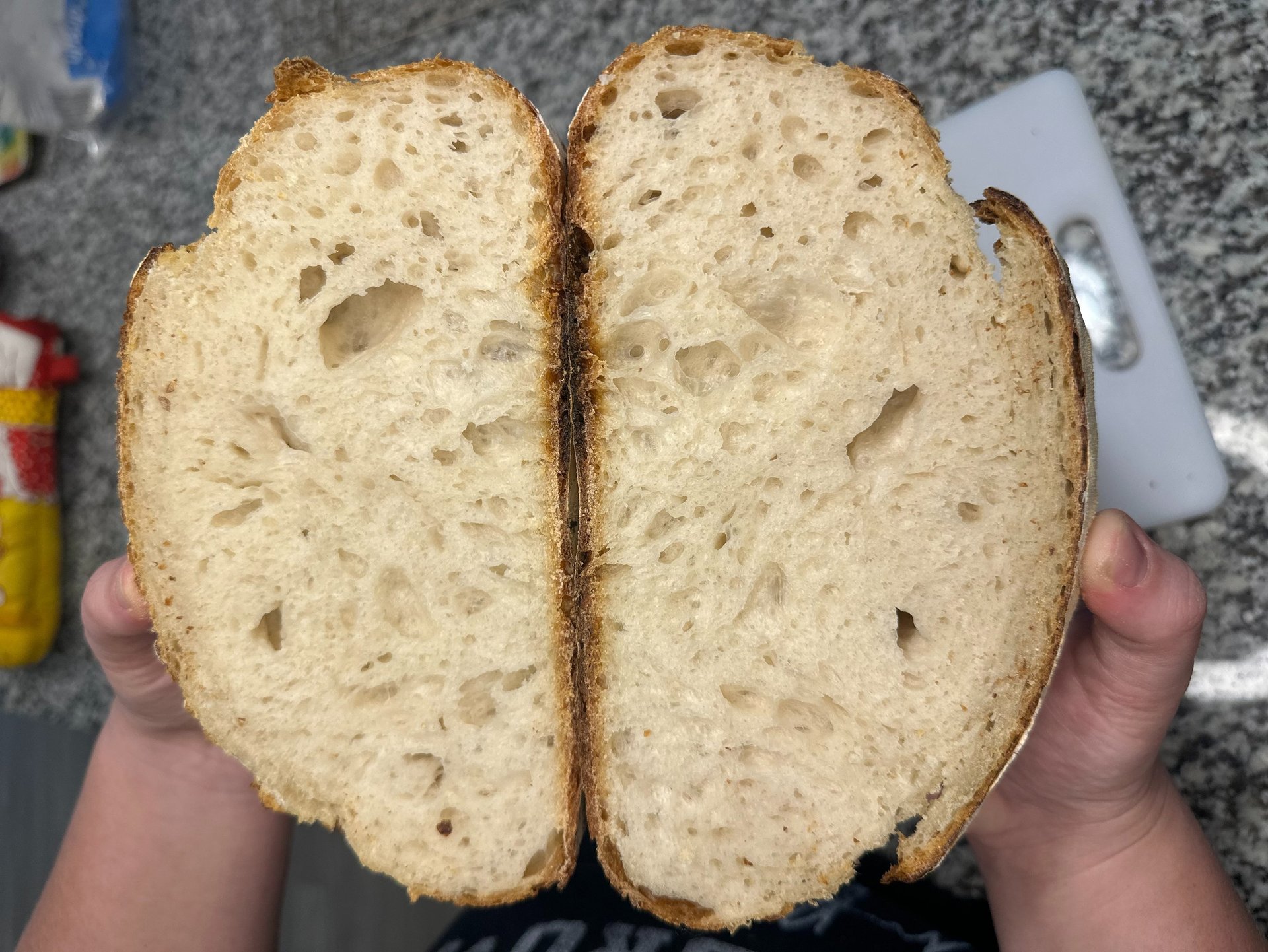
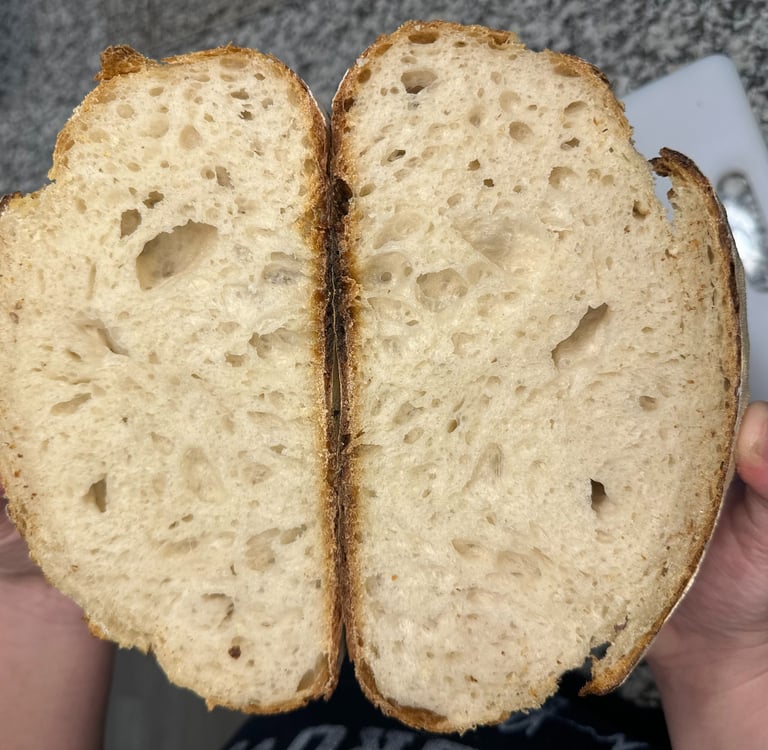
Sourdough bread—there’s just something magical about the way it rises, the tangy flavor, and that chewy, rustic crumb. But behind every perfect loaf is a few essential tools and ingredients that make the process a breeze. If you’ve ever tried your hand at sourdough and felt a bit overwhelmed, don’t worry! With the right equipment, you can craft a perfect loaf of sourdough bread in your own kitchen. Let’s walk through the top 8 items you need to make the best sourdough bread, so you can feel confident and excited every time you bake.
1. Active Sourdough Starter
The star of the show! You can’t make sourdough bread without a sourdough starter. It’s a mixture of flour and water that’s fermented with wild yeast and bacteria, which gives sourdough its signature tangy flavor. The starter needs to be “active” to work its magic in the dough, meaning it’s bubbly, healthy, and ready to go. You can either make your own starter (which can take a week or so) or buy one from a trusted source. Once you have your starter, make sure to feed it regularly to keep it strong and ready for baking!
2. Digital Scale
While it’s totally possible to bake sourdough using volume measurements like cups, using a digital scale is a game-changer. Sourdough is all about precision—too much or too little flour can affect the final result. A scale ensures you’re using the exact amount of flour, water, and other ingredients for consistent results. Plus, it makes working with hydration percentages (how much water you use in relation to flour) much easier, which is crucial for mastering your dough. Trust us, once you start weighing ingredients, you’ll never go back to cups.
3. Dough Scraper
A dough scraper is one of those tools you never knew you needed until you get one. It’s perfect for scraping dough off your work surface, folding dough during the fermentation process, and cutting your dough into perfect portions. It’s especially helpful when working with high-hydration dough (dough with a higher water content), which can be a bit sticky. A bench scraper will help you handle your dough with ease and keep your work area clean. Plus, it’s small, affordable, and easy to store!
4. Mixing Bowl (Large)
You’ll need a large, sturdy mixing bowl to combine your flour, water, salt, and starter. Since sourdough dough can be quite sticky and requires plenty of room to mix and knead, having a big bowl makes the process much easier. Opt for a glass or stainless steel bowl that can hold at least 4 to 5 liters of dough. This allows space for your dough to expand as it ferments and rises. A bowl with high sides also helps prevent flour from flying everywhere when mixing!
5. Dutch Oven or Baking Cloche
When baking sourdough, you need a vessel that traps steam to create that perfect crispy, golden-brown crust. A Dutch oven (a heavy, lidded cast-iron pot) or a baking cloche (a ceramic dome) is ideal for this. When your dough bakes inside one of these, the steam that forms from the dough’s moisture is trapped, giving your bread the perfect texture and a beautiful rise. Dutch ovens are super versatile and can handle high temperatures, making them a favorite for home bakers. If you don't have one, you can also create steam in your oven with a pan of water, but a Dutch oven really elevates your baking game.
6. Proofing Basket (Banneton)
A proofing basket, also called a banneton, is a must-have for shaping your sourdough dough. These round or oval-shaped baskets help support the dough during its final rise (or proofing), and they create the signature spiral pattern on the bread’s crust. Proofing baskets are often made of natural materials like wicker or cane, which allow the dough to breathe, preventing it from becoming too soggy. A banneton helps maintain the dough’s shape and ensures that your bread rises evenly. Plus, it adds an artisan touch to your loaves!
7. Sharp Blade or Lame (for Scoring)
Scoring (or slashing) your dough is an essential part of baking sourdough. The cuts on top allow the bread to expand and rise properly in the oven. You can do this with a sharp kitchen knife, but a lame (a small, handheld razor blade holder) gives you more control and allows for more intricate, beautiful scoring patterns. Not only does it help your bread rise beautifully, but it also adds that artisanal look that makes your homemade sourdough loaf look like it came from a bakery. A lame is affordable and easy to use, so it's worth the investment if you're serious about baking sourdough
8. Sourdough Recipe or Baking Journal
This one isn’t a physical item, but it’s still one of the most important things you need! Whether you’re following a tried-and-true recipe or developing your own, having a recipe or baking journal to keep track of your results is key to mastering sourdough. Sourdough can be unpredictable, and each loaf may vary depending on your starter, environment, and technique. Writing down your ingredients, steps, and any observations (like dough consistency or rising times) helps you improve over time and avoid making the same mistakes again. It’s your personal baking logbook and your ticket to creating the best sourdough loaves possible.
Conclusion
Making the perfect sourdough bread doesn’t have to be intimidating. With these top 8 essential tools in your kitchen, you’ll be well on your way to baking incredible loaves that will impress your friends and family. From a well-maintained sourdough starter to the right mixing bowls and baking vessels, these tools will help you handle your dough like a pro. So, gather your gear, start experimenting, and before you know it, you’ll be making sourdough bread that rivals the best bakeries. Happy baking!
Sourdough
Explore delicious sourdough recipes and tips today!
Make sure to follow us on our social media platforms!
contact us
Custom Orders
theivoryoven.co@gmail.com
© 2025. All rights reserved.