Add your promotional text...

Watermelon and Feta Sourdough Flatbread
A Fresh, Flavor-Packed Summer Staple
RECIPESACTIVE
6/23/20254 min read
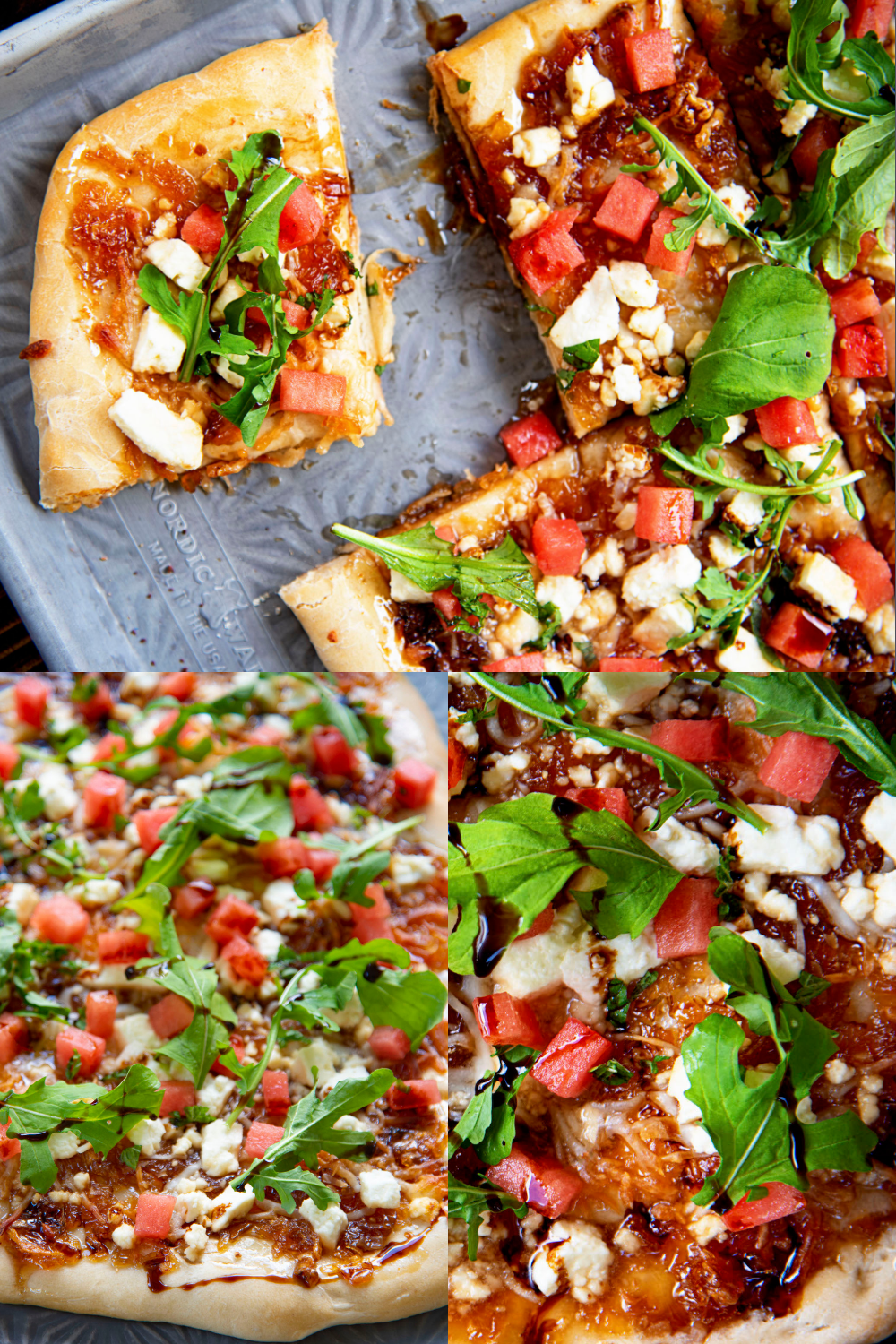
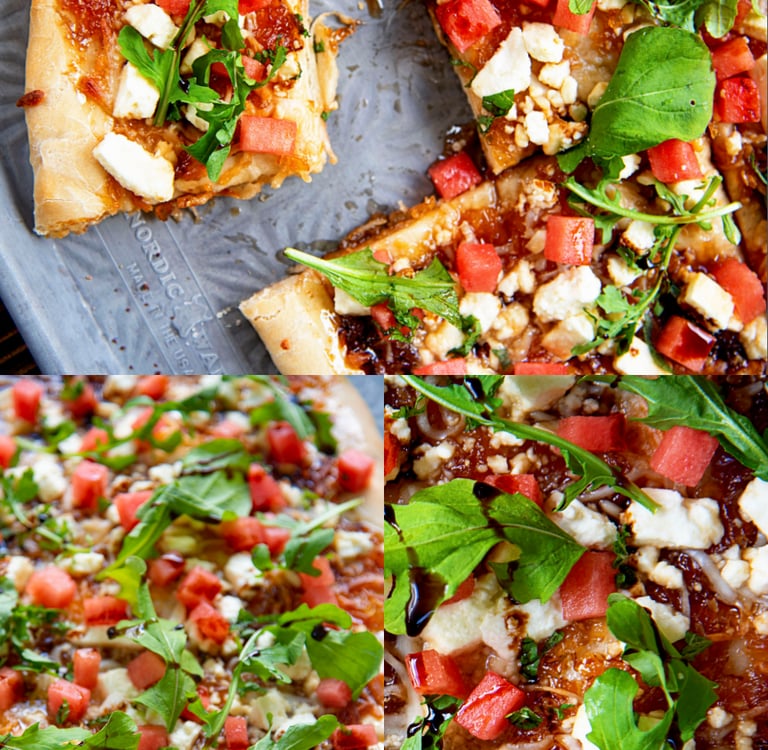
Sourdough flatbread is an endlessly versatile canvas, and when it meets the bright, refreshing flavors of juicy watermelon and creamy feta, something magical happens. This Watermelon and Feta Sourdough Flatbread is everything summer craves—light, crisp, savory, sweet, and absolutely stunning on a plate. Whether you're hosting a backyard barbecue, prepping a vibrant brunch, or just wanting to make a meal that feels exciting and different, this flatbread delivers.
This post will guide you step-by-step through crafting this sourdough flatbread from scratch (or using your discard!), cooking it to perfection, and topping it with the most unexpected but delightful summer ingredients. It's a wonderful mix of textures and tastes: chewy, lightly blistered flatbread layered with cool, juicy watermelon chunks, salty feta crumbles, bright fresh herbs, and a drizzle of tangy balsamic glaze. It’s a warm-weather dream.
Let’s jump right in and bring this refreshing flatbread to life.
Ingredients Breakdown
Flatbread Dough:
1/2 cup active sourdough starter
1 1/4 cups King Arthur all-purpose flour
1/4 tsp salt
2 tbsp olive oil
1/4 cup warm water (adjust as needed)
Toppings:
1 1/2 cups cubed watermelon (seedless)
1/2 cup crumbled feta cheese
1/4 cup thinly sliced red onion (optional)
Handful fresh mint or basil leaves
Balsamic glaze (store-bought or homemade)
Cracked black pepper (to finish)
How to Make the Flatbread
Step 1: Mix the Dough
In a mixing bowl, combine the active sourdough starter, flour, salt, olive oil, and warm water. Stir until a shaggy dough forms. You want it soft but not sticky—adjust with a bit more water or flour as needed.
Step 2: Knead Until Smooth
Knead the dough for 5–7 minutes until it becomes smooth and elastic. You can do this by hand or in a stand mixer with a dough hook attachment.
Step 3: Rest the Dough
Cover the dough with a damp cloth or plastic wrap and let it rest at room temperature for 30 minutes to 4 hours. The longer it rests, the more flavor it develops.
Step 4: Roll and Shape
Divide the dough into 2 or 3 portions. Roll each into thin rounds or ovals, about 1/4-inch thick. They don’t need to be perfect—rustic shapes are part of the charm.
Step 5: Cook the Flatbreads
Heat a cast iron skillet or grill pan over medium-high heat. Cook each flatbread for 2–3 minutes per side until bubbles form and golden spots appear. If grilling, brush lightly with olive oil before placing on the grates.
Assemble Your Flatbread
Once your flatbreads are cooked, it’s time to build those vibrant toppings:
Start with a layer of cubed watermelon. Aim for about 1/2-inch chunks for easy eating.
Sprinkle generously with crumbled feta. The saltiness of the cheese contrasts beautifully with the sweet melon.
Add thinly sliced red onion if using—it adds just the right touch of bite.
Tear and scatter fresh mint or basil leaves over the top. Mint adds cooling brightness, while basil brings a warm, peppery note.
Drizzle with balsamic glaze. This ties all the flavors together with a tangy-sweet pop.
Finish with cracked black pepper for that final flavor lift.
Serve immediately while the flatbread is still slightly warm or at room temperature.
Why Watermelon and Feta?
The pairing of watermelon and feta might sound unusual at first, but it’s a combination rooted in Mediterranean traditions. The salty creaminess of feta cheese cuts through the juicy sweetness of watermelon, creating a balance that’s refreshing and satisfying. It’s especially perfect on hot days when you crave something both hydrating and hearty.
Add sourdough flatbread to the mix, and you’ve got texture, flavor, and nutrition—all in one stunning dish.
Make It Your Own: Variations & Add-Ons
This flatbread is flexible. Try these variations to change things up:
Add Arugula: Toss a handful of arugula over the top for a peppery, leafy layer.
Swap Herbs: Use dill, oregano, or chives in place of mint or basil.
Make It Spicy: Add sliced jalapeños or a dash of red pepper flakes.
Try Goat Cheese: Swap feta with goat cheese for a creamier, tangier bite.
Use a Spread: Spread a thin layer of ricotta or Greek yogurt before adding toppings.
Go Vegan: Use a vegan feta alternative and balsamic glaze without honey.
Hosting Ideas
This sourdough flatbread is a conversation starter. Here’s how to feature it at your next gathering:
Brunch Boards: Slice it into small pieces and serve with fruit, olives, and dips.
Appetizer Tray: Serve on a wooden board with a small bowl of balsamic glaze for extra dipping.
Mini Flatbreads: Make smaller rounds and let guests top their own.
Outdoor Grilling Night: Grill the flatbreads alongside other BBQ items and serve with chilled rosé.
Storage & Leftovers
Flatbreads are best fresh, but they can be prepped ahead:
Flatbread Base: Cook and store in an airtight container for up to 2 days. Reheat in a skillet before topping.
Topped Flatbread: If you have leftovers, store in the fridge and eat within 24 hours. The watermelon will release liquid, so it's best eaten fresh.
Freezing Dough: Uncooked flatbread dough can be frozen. Just thaw overnight in the fridge before rolling and cooking.
Final Thoughts
Watermelon and Feta Sourdough Flatbread is the kind of recipe that catches people off guard—in the best way. It’s a little fancy, super easy, and shockingly delicious. It celebrates the joy of summer produce, the magic of sourdough, and the simplicity of throwing a few bright ingredients on warm bread.
Whether you’re brand new to sourdough or a seasoned baker looking to try something playful and bold, this recipe checks all the boxes. Sweet and savory, creamy and juicy, chewy and crisp—it’s a flavor explosion that feels gourmet but comes together in minutes.
Take your flatbread game to the next level, one juicy watermelon cube at a time.
Sourdough
Explore delicious sourdough recipes and tips today!
Make sure to follow us on our social media platforms!
contact us
Custom Orders
theivoryoven.co@gmail.com
© 2025. All rights reserved.