Add your promotional text...

Sourdough Rye Bread
A Rustic, Flavorful Classic
RECIPESACTIVE
5/30/20254 min read
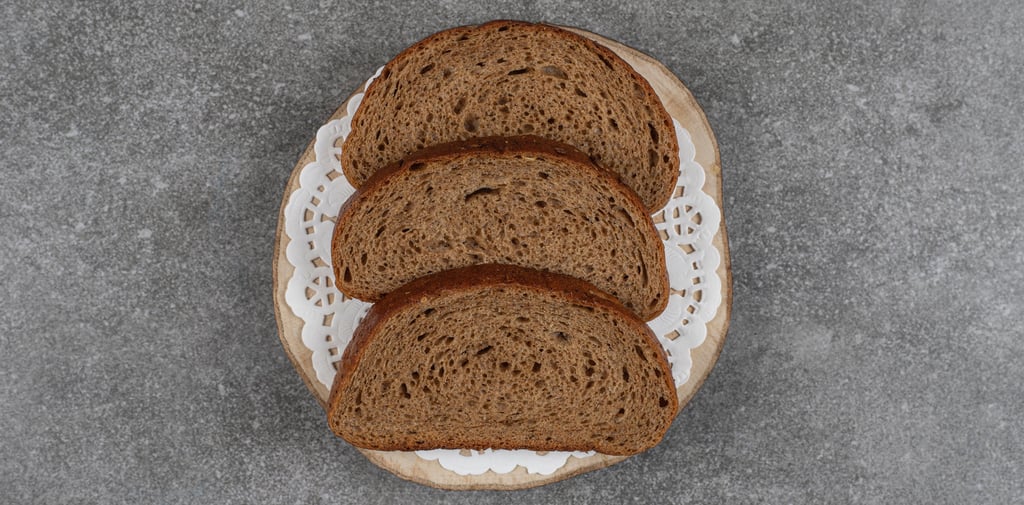
Absolutely! Here's a 5000+ word blog post recipe for Sourdough Rye Bread that’s easy to follow, engaging, and beginner-friendly. It also includes Pinterest SEO tips at the end.
How to Make Sourdough Rye Bread: A Rustic, Flavorful Classic
Welcome to the world of sourdough rye bread—a hearty, earthy, and satisfying loaf with a rich cultural history and a deliciously chewy texture. Whether you're a seasoned sourdough baker or just diving into the world of wild yeast, this recipe will walk you through every step of the process in an approachable, no-stress way.
Get ready to fall in love with the deep flavor of rye combined with the tang of sourdough. Let’s get started!
Why Rye?
Rye flour is lower in gluten than wheat flour, which gives rye bread a denser texture and a deeper flavor. It’s slightly nutty, earthy, and can be a little sweet, especially when paired with the tang of sourdough.
Rye bread has deep roots in many European cuisines and is beloved in everything from Scandinavian open-face sandwiches to hearty German deli slices.
What Makes Sourdough Rye Special?
Here’s why sourdough rye deserves a place in your baking rotation:
Natural fermentation brings out rye’s complex flavor.
Hearty and nutritious, thanks to its fiber-rich content.
Shelf stable—the acidity helps it last longer than typical bread.
Perfect for pairing with cheeses, meats, and strong condiments.
Ingredients You’ll Need
This recipe makes one standard loaf or boule.
Essential Ingredients:
100g active sourdough starter (100% hydration)
350g water (filtered or bottled)
250g bread flour (for structure)
200g dark rye flour
10g salt
Optional Add-Ins:
1 tbsp caraway seeds (for classic rye flavor)
1 tbsp molasses or honey (for a subtle sweetness)
1 tbsp olive oil (for a softer crumb)
Tools You’ll Need
Kitchen scale (grams are your best friend!)
Dough whisk or sturdy spoon
Banneton basket or bowl with towel
Lame or sharp knife for scoring
Cooling rack
Step-by-Step Instructions
Step 1: Feed Your Starter
Make sure your sourdough starter is active and bubbly before baking.
Feed it with:
50g starter
50g rye or all-purpose flour
50g water
Let it sit in a warm spot until doubled (4–6 hours).
Step 2: Mix the Dough (Autolyse Phase)
In a large bowl:
Mix 350g water with 250g bread flour and 200g rye flour
Stir until just combined (shaggy dough)
Cover and let rest 30 minutes (autolyse)
This gives the flour time to hydrate before salt and starter are added.
Step 3: Add Starter and Salt
Add 100g active starter and 10g salt
Mix thoroughly using your hands or a dough whisk
Optional: Add 1 tbsp molasses or caraway seeds at this stage
Knead gently in the bowl or do a few stretch-and-folds until combined.
Step 4: Bulk Fermentation (First Rise)
Let the dough rest, covered, for 4-6 hours at room temperature.
Every 30–45 minutes during the first 2 hours:
Stretch and fold the dough 4 times (top, bottom, left, right)
The dough won’t become as elastic as wheat bread because of the rye—it’s okay!
You’ll know it’s ready when:
It feels puffy
Has risen by about 50%
Shows visible bubbles near the surface
Step 5: Shape the Dough
Lightly flour your surface with rye or rice flour.
Turn out the dough
Gently shape into a round or oval
Use a bench scraper to build surface tension (don’t overwork!)
Place into a floured banneton or towel-lined bowl seam side up.
Step 6: Final Proof
Cover and place in the fridge for 8–12 hours (overnight).
This slow, cold fermentation develops flavor and makes the loaf easier to score.
Step 7: Bake the Bread
Preheat your oven to 475°F (245°C) with a Dutch oven inside for at least 30 minutes.
Take dough out of fridge
Invert it onto parchment paper
Score the top with a lame or sharp blade
Place the dough into the hot Dutch oven:
Bake 20 minutes with lid on
Remove lid and bake 25–30 minutes uncovered
Cool completely on a rack before slicing.
Tips for Success
Rye dough is sticky – use wet hands or lightly oil them when handling.
Don’t overproof – rye ferments faster than all-white flour dough.
Use rice flour in the banneton to prevent sticking.
Let the loaf cool fully – cutting too soon will make the crumb gummy.
Add seeds (pumpkin, sunflower) to the top for extra crunch.
Variations to Try
German-style rye: Use 100% rye flour with a bit of honey and molasses.
Seeded rye: Add sunflower, pumpkin, sesame, or flax seeds.
Rye sandwich bread: Bake in a loaf pan for easy slicing.
Rye & wheat combo: Use 50% whole wheat for a denser, flavorful twist.
How to Store Sourdough Rye Bread
Store at room temp in a paper bag for up to 4 days.
Freeze slices for up to 3 months—great for toast!
Avoid plastic unless you like a softer crust.
FAQ
Can I use only rye flour?
Yes, but expect a denser loaf. A mix with bread flour gives better rise and texture.
Why is my dough so sticky?
That’s normal for rye. Use wet or oiled hands and resist the urge to add too much flour.
Can I skip the overnight proof?
You can proof at room temp for 2–3 hours, but the overnight method gives more flavor.
Final Thoughts
Sourdough rye bread is rustic, flavorful, and incredibly satisfying to make at home. Its chewy crumb, complex taste, and hearty crust make it a standout loaf, whether you’re serving it with soups, cheeses, or just a smear of butter.
If you’ve never tried baking with rye before, this is your moment. Once you taste this homemade loaf, you'll never want to go back to store-bought again.
Happy baking, and tag me if you try it—I’d love to see your creations!
Sourdough
Explore delicious sourdough recipes and tips today!
Make sure to follow us on our social media platforms!
contact us
Custom Orders
theivoryoven.co@gmail.com
© 2025. All rights reserved.