Add your promotional text...

Sourdough Flatbread
An Easy, Everyday Recipe for Tangy, Pillowy Goodness. This recipe is good for active or discard starter
RECIPESDISCARDACTIVE
4/10/20254 min read
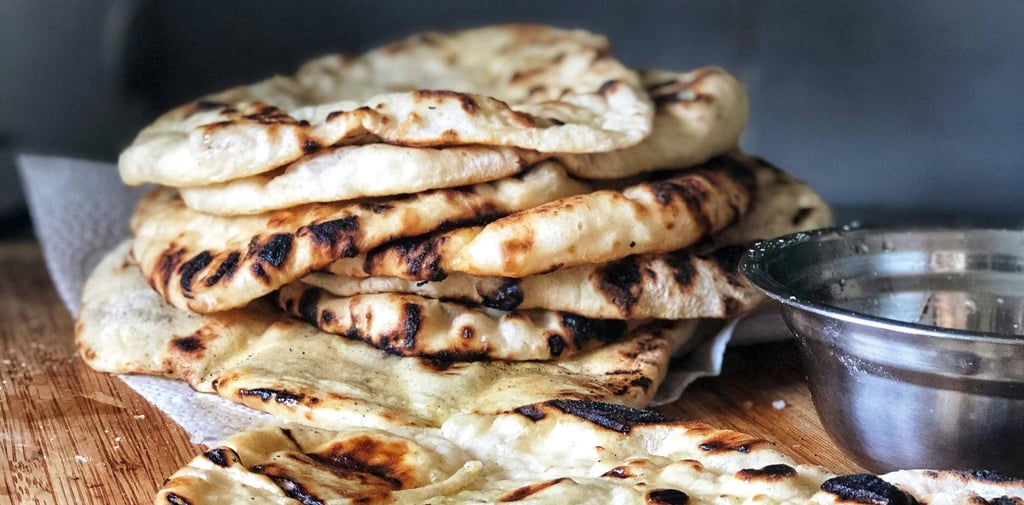
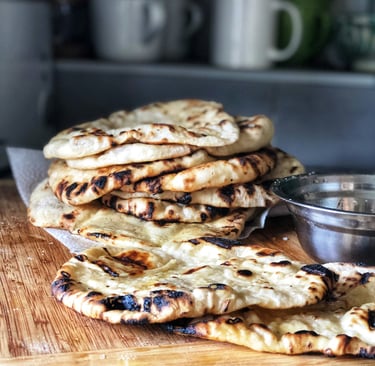
There’s something undeniably satisfying about making flatbread from scratch. It’s simple, versatile, and has been a staple food for thousands of years across countless cultures. But when you introduce sourdough into the mix, the magic really begins. This sourdough flatbread recipe is my go-to when I want to whip up something quick, tasty, and just a little rustic. With its light chew, slight tang, and golden spots from the skillet, it’s a recipe you’ll find yourself coming back to again and again.
Whether you're using leftover discard or active starter, sourdough flatbread is forgiving, fun to cook, and endlessly adaptable. Serve it alongside soups and stews, top it like a pizza, or use it as the base for sandwiches and wraps. It’s also one of the best ways to introduce someone to sourdough baking, since it doesn’t require long fermentation or a ton of technique.
Let’s dive into the recipe—but first, a little background on why sourdough flatbread is such a staple in my kitchen.
Why I Love This Recipe
During the early days of my sourdough journey, I was making so much starter discard I couldn’t keep up with the usual suspects—crackers, pancakes, banana bread. One day, inspired by naan and pita, I mixed up a quick dough, used my bubbling starter for flavor, and cooked the rounds in a hot skillet. The result? Soft, blistered, tangy flatbread that was irresistible.
It quickly became a weekly ritual. I’d prep a batch of dough in the morning and cook them up just before dinner. Leftovers (if any survived) would get stuffed with hummus and greens for lunch or crisped up in the oven as makeshift sourdough chips. And every time, I marveled at how simple it was.
What Makes Sourdough Flatbread Special?
Sourdough adds both depth of flavor and flexibility to a standard flatbread recipe.
Flavor: The natural fermentation adds a subtle tang that’s far more complex than yeast alone.
Texture: Sourdough flatbread is soft, with a satisfying chew and golden bubbles on the surface when cooked right.
Fermentation-friendly: You can ferment the dough for a few hours, overnight, or use it right away (depending on your schedule).
No oven required: Cooked on the stovetop, these are perfect for warm days when turning on the oven feels like a crime.
Key Ingredients
Flour – All-purpose flour works great, but you can experiment with whole wheat, spelt, or even a bit of rye.
Sourdough Starter – Either discard or active starter works! If you use discard, just keep in mind it won’t help with rising, but it will still bring flavor.
Yogurt or Milk – Adds richness and helps tenderize the dough.
Olive Oil – For flavor and pliability.
Salt – Don’t skip it—salt brings out the best in your dough.
Baking powder (optional) – If you want a little extra puff, especially when using discard.
Tips for Flatbread Success
Let the dough rest. Even a short rest after mixing allows the gluten to relax, making rolling easier.
Use a hot skillet. A hot surface is what gives flatbread those iconic dark spots and a bit of char.
Don’t over-flour. Too much flour during shaping can make the flatbread dry. Lightly flour your surface, but keep it minimal.
Customize your flavor. Garlic, herbs, za’atar, sesame seeds—these all add something extra to your dough or can be sprinkled on top before cooking.
Keep them warm. Stack your cooked flatbreads in a clean kitchen towel to keep them warm and soft until serving.
Sourdough Flatbread Recipe
Yield: 6–8 flatbreads
Prep time: 10 minutes
Rest time: 1–2 hours (or overnight in the fridge)
Cook time: 15–20 minutes
Ingredients
2 ½ cups (300g) all-purpose flour
1 cup (240g) sourdough discard or active starter
½ cup (120g) plain yogurt or milk (plus more if needed)
2 tablespoons olive oil
1 teaspoon salt
1 teaspoon baking powder (optional, helps with puffiness)
Butter (for brushing)
Instructions
Mix the dough. In a large bowl, combine flour, sourdough starter, yogurt (or milk), olive oil, salt, and baking powder if using. Stir until a shaggy dough forms.
Knead briefly. Turn the dough onto a lightly floured surface and knead for about 3–5 minutes until smooth. Add a bit more flour or milk if the dough feels too dry or sticky.
Rest the dough. Cover and let it rest at room temperature for 1–2 hours, or refrigerate for up to 24 hours for a tangier flavor. If refrigerating, let it come to room temp before shaping.
Divide and roll. Cut the dough into 6–8 equal pieces. Roll each piece into a ball, then flatten and roll out into 6–8 inch rounds.
Heat your skillet. Place a dry cast iron or non-stick skillet over medium-high heat. Once hot, cook each flatbread for 1–2 minutes per side, until puffed and golden with brown spots.
Optional: brush with butter or ghee. As they come off the skillet, brush each flatbread with melted butter and sprinkle with herbs or salt.
Serve warm. Enjoy immediately, or keep warm in a clean kitchen towel. Flatbreads can also be cooled and stored for later.
How to Serve Sourdough Flatbread
This flatbread is ridiculously versatile. Here are some favorite ways to enjoy it:
As a wrap – Fill with roasted veggies, grilled chicken, falafel, or your favorite sandwich fixings.
Pizza-style – Top with tomato sauce, cheese, and veggies, then pop under the broiler.
As a dipper – Serve alongside hummus, baba ghanoush, or your favorite creamy dip.
Taco alternative – Works beautifully with spiced beans, avocado, and slaw.
Breakfast base – Slather with almond butter, banana, and a drizzle of honey.
Storage & Freezing Tips
Room temp: Store cooled flatbreads in an airtight container for up to 2 days.
Fridge: Keep refrigerated for 3–4 days, then reheat in a skillet.
Freezer: Stack with parchment between each and freeze in a zip-top bag. Reheat directly in a pan or oven until soft and warm.
Recipe Variations
Want to mix things up? Here are a few creative spins:
Garlic herb flatbread: Add minced garlic and chopped fresh herbs (like rosemary or parsley) to the dough or brush on after cooking.
Spiced version: Mix in cumin, coriander, or smoked paprika for a warm, earthy flavor.
Whole wheat: Sub in up to half whole wheat flour for added nutrition and nuttiness.
Cheesy flatbread: Fold shredded cheese into the dough before cooking—mozzarella, feta, or cheddar work beautifully.
Final Thoughts
Sourdough flatbread is proof that baking with sourdough doesn’t have to be complicated or time-consuming. With just a few pantry staples and a little bit of starter, you can create something truly delicious—whether it’s part of a cozy dinner or a quick midday snack.
This recipe is endlessly adaptable, super beginner-friendly, and a fantastic way to cut down on discard waste. If you make it, I’d love to see your take—share your flatbread on Instagram or Pinterest and tag me! There’s nothing better than seeing these humble rounds puff up in kitchens around the world.
Happy flatbread making!
Sourdough
Explore delicious sourdough recipes and tips today!
Make sure to follow us on our social media platforms!
contact us
Custom Orders
theivoryoven.co@gmail.com
© 2025. All rights reserved.